Video creation has become much easier over the past few years.
You no longer need an expensive camera or a large production setup to record good content. A smartphone, a simple microphone, and a good idea are often enough to get started.
Editing is where things can still become difficult.
A creator might record a ten-minute video and then spend much longer cutting mistakes, replacing clips, fixing the pacing, adding captions, and making other small changes before the video is ready to publish.
For professional editors, these steps are part of the normal workflow. For everyday creators who are also planning content, recording, publishing, and managing their audience, editing can quickly become the part that slows everything down.
AI is starting to change that by making common editing tasks easier to carry out and reducing how much technical knowledge creators need before they can make useful changes.
Why Video Editing Has Always Felt Complicated
Traditional editing software gives creators a lot of control, but that control often comes with a learning curve.
Timelines, tracks, effects, transitions, colour settings, audio panels, and dozens of other controls can be difficult to understand when someone opens an editor for the first time.
Even simple changes can involve several steps.
Replacing a clip may mean finding the correct point on the timeline, removing the existing footage, importing a replacement, positioning it correctly, and checking that the rest of the sequence still works.
The problem is not always knowing what needs to change.
A creator may already know that a scene feels too slow or that a particular clip needs replacing. The difficult part is knowing which tools and steps will turn that decision into an actual edit.
AI is beginning to shorten that gap.
AI Is Taking On More of the Repetitive Work
A large part of video editing is repetitive. Creators often need to review long recordings, find usable sections, compare different takes, remove mistakes, cut pauses, and organise clips before they can focus on the final video.
AI editing tools can help with some of this preparation. Instead of manually searching through every piece of footage, creators can increasingly let AI analyse the material and help identify useful sections. It can also assist with common tasks such as removing unwanted parts, improving audio, creating captions, and preparing shorter versions. Tools like invideo editor are designed around this idea by helping creators handle more of the repetitive editing process while keeping the creative decisions in their hands.
This does not mean AI decides what the final video should be. The creator still decides what matters, how the story should flow, and what the finished video should feel like. AI simply reduces some of the work required to reach that point.
Editing Is Becoming More About Giving Direction
One of the biggest changes is how creators communicate an edit.
Traditional software requires people to learn how the program works. Newer AI editing workflows increasingly allow them to describe what they want instead.
Imagine that a creator wants to change the style of a video, replace a piece of media, or adjust a scene.
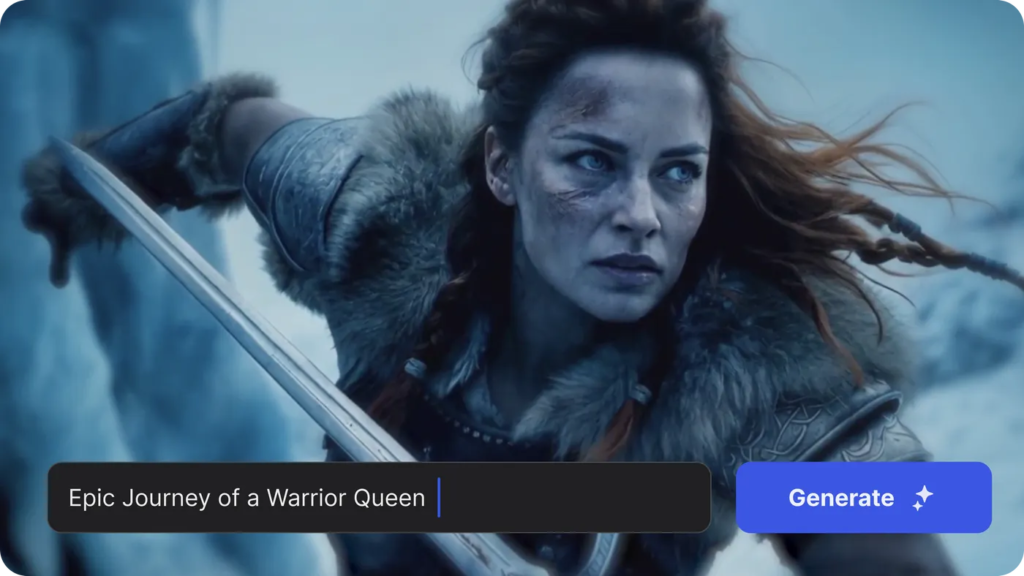
Previously, each request might require finding the correct tool and making the change manually. With text-based editing, the creator can describe the desired result in plain language and let AI carry out the required steps.
This changes the relationship between the creator and the editing software.
Instead of asking, “Which button do I need?”
The question becomes, “What do I want to change?”
That difference may sound small, but it removes a major barrier for people who create videos regularly without being professional editors.
Simple Changes Become Easier to Test
Another advantage of AI-assisted editing is faster experimentation. Creators rarely know exactly what the final video should look like on the first attempt. They may want to try a different visual style, replace a weak piece of footage, change a scene, or see whether another direction works better.
Manual editing can make this experimentation slow because every new idea creates another set of technical steps. When editing instructions can be given in plain language, trying another direction becomes much easier.
If the first result does not work, the creator can give another instruction and refine it further. This makes editing feel less like committing to a long sequence of manual actions and more like shaping the video through a series of creative decisions. This type of workflow is becoming more common in tools like invideo editor, where creators can describe changes and continue refining the project instead of rebuilding edits manually.
When AI Becomes Part of the Editing Workspace
The real value of AI editing becomes clearer when it works inside the same project the creator is already editing, rather than acting as a separate tool that produces a fixed result.
Invideo editor combines a professional editing timeline with AI editing agents that creators can assign real editing work. Creators can upload their footage, work directly on the timeline, and give an agent direction for tasks such as reviewing footage, selecting usable takes, removing repeated material, and assembling an editable base cut.
The same workflow also gives creators a more direct way to edit videos with AI by describing changes to video styles, media, or scenes in their own words instead of carrying out every adjustment manually. The changes remain part of the editable project, so creators can review the result, give further direction, or continue refining it themselves.
This is an important distinction. AI can take on more of the repetitive execution, but the creator still controls what happens to the project and how the finished video should look.
Long Recordings Become Less Intimidating
AI-assisted editing can be particularly useful when the amount of raw footage is much larger than the final video.
Think about a creator recording a talking-head video.
They may repeat the same sentence three or four times before getting it right. There may be pauses, mistakes, filler, and sections that never need to appear in the finished version.
Traditionally, someone has to go through all of that footage before the real edit begins.
The same problem appears with interviews, podcasts, tutorials, event footage, and other long recordings.
If AI can help review that material, identify usable takes, and remove obvious repetition, the creator gets to a workable starting point sooner. They can then spend their time deciding whether the video flows well instead of spending most of it finding the material worth keeping.
Everyday Creators Can Do More Themselves
Not every creator has an editor.
A small business owner might record their own product videos. A blogger might create tutorials alongside written content. A YouTube creator may handle recording, editing, thumbnails, publishing, and promotion alone.
For these creators, every technical task adds more work.
AI-assisted editing makes it possible to handle more of the workflow without becoming an expert in every editing control first.
This does not mean professional editing skills are becoming unnecessary. Complex projects still benefit from people who understand pacing, sound, colour, storytelling, and visual structure.
The difference is that someone should not need all of those skills just to make a simple correction or prepare everyday content for publishing.
AI Can Help With Different Types of Content
The benefits are not limited to one video format.
A YouTube creator working with repeated takes can spend less time finding the cleanest version of each section.
Someone editing an interview can get through large amounts of recorded material faster.
A creator working on short-form content can turn longer projects into smaller cuts for different platforms.
Teams can also prepare different versions without repeating every editing step from the beginning.
The exact workflow changes depending on the project, but the basic idea remains the same. AI handles more of the repetitive execution so people can spend more time deciding what the content should actually become.
What AI Still Cannot Decide for You
Easier editing does not mean every editing decision should be automated.
AI can help perform work, but creators still need to review what comes back.
Does the opening hold attention?
Does a cut happen at the right moment?
Is an important part of the story missing?
Does the music match the mood?
Does the final video actually communicate what it was supposed to?
These are creative decisions, and they depend on context.
The best AI editing workflow is not one where the creator disappears. It is one where the creator spends less time carrying out repetitive operations and more time making these decisions.
What This Means for the Future of Video Editing
Video editing is becoming easier to approach because the software is starting to understand direction rather than only responding to manual controls.
That matters for everyday creators.
The more creators can describe what they want and then refine the result, the less time they need to spend learning how every individual editing operation works.
This will not turn everyone into a professional editor overnight. It does something more practical. It makes common editing tasks less intimidating and gives more people a realistic way to finish the videos they already know they want to create.
Conclusion
AI is making video editing easier by reducing the amount of repetitive and technical work creators have to handle themselves.
Creators can spend less time searching through footage, performing small adjustments, and figuring out which editing control does what. Instead, they can increasingly give direction, review the result, and focus on the decisions that shape the finished video.
For everyday creators who do not have a dedicated editing team, that can make a major difference. The goal is not to remove editing skill or creative judgement. It is to make the editing process easier to enter, easier to manage, and less likely to stand between a creator and the content they want to publish.