Video editing has always involved two different types of work. The first is creative judgement. Deciding how a story should flow, which moments matter, how a scene should feel, and what the final video should communicate. The second is execution. Reviewing hours of footage, comparing takes, removing mistakes, arranging clips, fixing sound, and preparing different versions. For creators, the challenge is that both parts require time. The creative decisions need attention, but the repetitive work often takes up most of the editing process. This is where agentic video editing is changing the workflow. Instead of making creators perform every individual editing step manually, AI agents can take on parts of the execution process while creators continue directing the final outcome.
continue directing the final outcome.
Why Traditional Video Editing Takes So Much Time
Most video projects start with a large amount of raw material. A creator recording a podcast, interview, tutorial, or long-form video may have hours of footage to review before the actual editing begins.
Finding the strongest moments means watching everything carefully. Selecting the best takes means comparing different versions of the same scene. Creating a polished sequence means removing pauses, mistakes, and unnecessary sections.
These tasks are important, but they do not always require the same creative judgement used for storytelling and pacing.
The problem is that traditional editing workflows often treat every step the same way. The creator or editor has to manually handle both the creative decisions and the repetitive preparation work.
For creators producing content regularly, this can become a major bottleneck.
The Difference Between Automation and AI Agents
Many editing tools already include AI features. They can generate captions, remove background noise, improve audio, or detect certain parts of a video. These features save time, but they usually require the creator to activate each function separately.
AI agents work differently. Instead of performing one isolated action, an AI agent can understand a broader editing goal and complete multiple connected tasks based on instructions.
For example, a creator does not need to manually review every take, remove repeated sections, and arrange the strongest clips one by one. They can provide direction, and the agent can help carry out the workflow required to create a starting point.
The creator still decides what works. The agent simply reduces the amount of repetitive execution needed to reach that stage. Tools like invideo editor are built around this approach, helping creators move from raw footage to a more organised starting point without removing their role in shaping the final video.
How Agentic Video Editing Works
An agentic editing workflow begins with direction. The creator provides footage, context, and the result they want to achieve. This could be creating a first cut from raw recordings, improving the pacing of a sequence, or preparing different versions of existing content.
The AI agent then works through the material and handles tasks based on that instruction. This can include:
Reviewing footage and identifying useful sections
Selecting stronger takes from multiple recordings
Removing repeated content, pauses, and unusable sections
Organising clips into a workable sequence
Adjusting structure and pacing based on the desired outcome
The important part is that the result does not become a locked final video. The work stays inside an editable project where creators can review decisions, make changes, and continue shaping the final piece.
Keeping Creative Control While Reducing Manual Work
A common concern with AI-assisted editing is losing control over the creative process.
However, the purpose of agentic workflows is not to remove the editor from the process. It is to change where their time is spent.
Creators should still decide:
What story they want to tell
Which moments matter most
How the final video should feel
What changes are needed before publishing
The AI handles more of the operational workload behind those decisions.
This creates a better balance. Creators spend less time searching through footage and more time refining the elements that make content unique. This is the direction modern editing workflows are moving toward, with tools such as invideo editor focusing on reducing manual effort while keeping creators involved in the important creative decisions.
How Invideo Editor Brings Agent-Based Editing Into the Timeline
If creators want to reduce repetitive editing work without handing over full control of the project, that work needs to happen inside the editing environment itself, not in a separate tool that hands back a finished file.
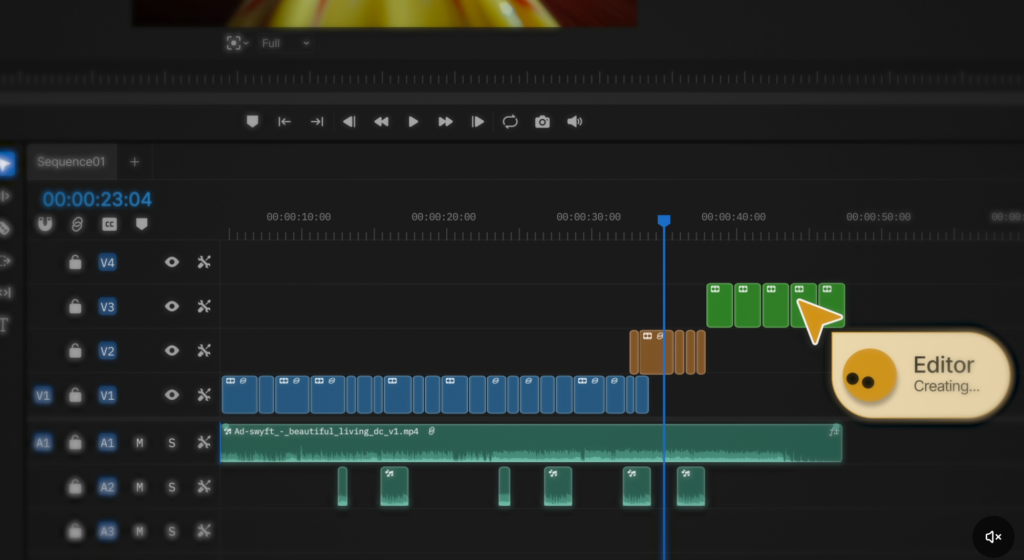
Invideo editor combines a professional editing timeline with AI editing agents that creators can assign real work to. Creators upload their footage, provide direction, and let the agents handle the parts of the process that usually take the most time, such as reviewing footage, comparing takes, removing false starts, and preparing a base cut.
The agent works through the material based on the creator’s instructions and returns the result inside the same editable timeline. Nothing becomes a fixed output. Creators can review every decision, adjust the sequence, redirect the work, or continue editing manually wherever needed.
For workflows where AI handles the repetitive execution while the creator stays responsible for the creative direction, this is the foundation of agentic video editing. The creator decides the story, pacing, and final feel of the video, while AI helps manage the operational work required to get there.
Where Agentic Video Editing Helps Most
Agentic workflows are especially useful for creators working with content that requires a lot of preparation before the final edit can begin.
Long-Form Content
Podcasts, interviews, webinars, and tutorials often contain hours of footage. Reviewing and organising this material manually can take longer than expected.
AI agents can help identify useful sections and create a stronger starting point for editing.
Multiple Takes
Creators often record the same line or scene several times.
Comparing each version and choosing the strongest delivery takes time. AI-assisted workflows can help organise this process and reduce manual review.
Multi-Version Content
A single recording may need to become a full video, short clips, highlights, and social versions.
Agentic workflows can help speed up the process of adapting existing content for different formats.
What This Means for Modern Creators
The biggest change from agentic editing is not that creators have fewer creative decisions to make.
It is that they spend less time preparing for those decisions.
A creator who previously spent hours organising footage can now start refining the story earlier. A small team can handle more content without adding the same amount of manual work.
For professional editors, this does not remove their role. Instead, it gives them more time for the parts of editing where experience and creative judgement matter most.
The Future of AI-Assisted Editing
Video creation is becoming faster, but the demand for quality content is also increasing.
Creators need workflows that help them produce more without sacrificing control over the final result.
Agentic editing moves in that direction by creating a partnership between human creativity and AI execution. The creator remains responsible for the vision, while AI helps manage the repetitive work required to bring that vision to life.
The future of video editing is not about replacing the person behind the project. It is about giving creators better ways to direct the work, review the results, and spend more time on the decisions that matter.


